Made for the laboratory environment where accuracy is needed, the laboratory boiling water bath ensures effective temperature maintenance and smooth heat exchange. Its intelligent control panel makes easy programming of settings and real-time temperature monitoring possible. The inner compartment, made of top-quality stainless steel, withstands corrosion and chemical stains. The laboratory boiling water bath is quiet, energy-conserving, and constant in performance regardless of continuous operation. Its built-in protection features avoid overheat and guarantee the safety of the user. Simple to maintain and energy efficient, the laboratory boiling water bath enhances laboratory productivity and experimental reproducibility.
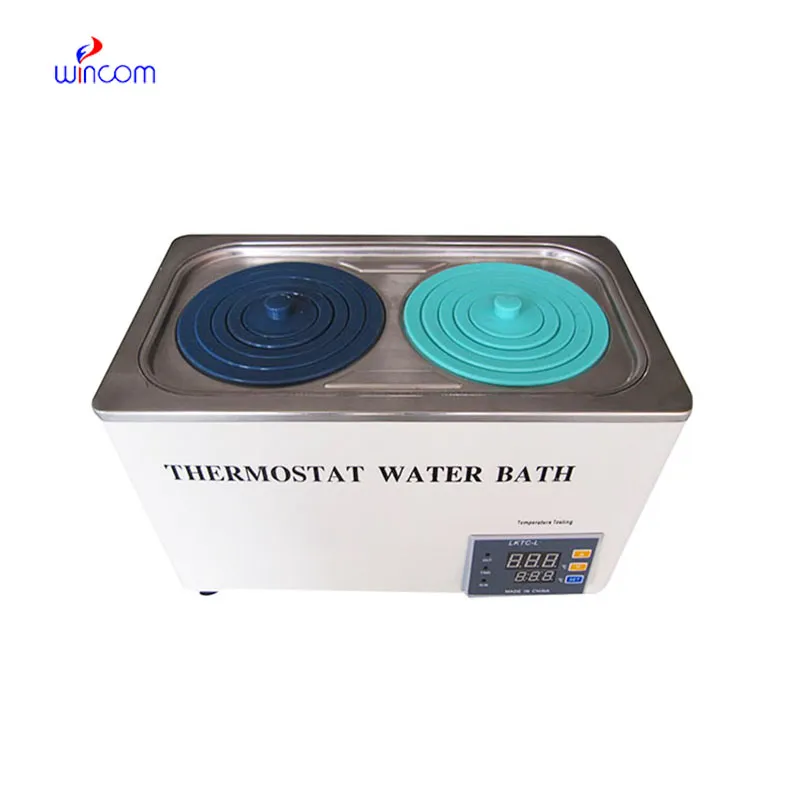
The laboratory boiling water bath is used worldwide in analytical, educational, and industrial laboratories. It offers regulated temperature conditions for the incubation of samples, preheating of reagents, and testing of materials. In biotechnology, the laboratory boiling water bath offers ideal temperatures for enzyme and cell-catalyzed reactions. It is also applied in the manufacture of pharmaceuticals to offer reliable heat in tests. As a result of its precise and consistent control of temperature, the laboratory boiling water bath ensures the reproducibility of experiments and is hence an essential tool in temperature-sensitive laboratory operations.
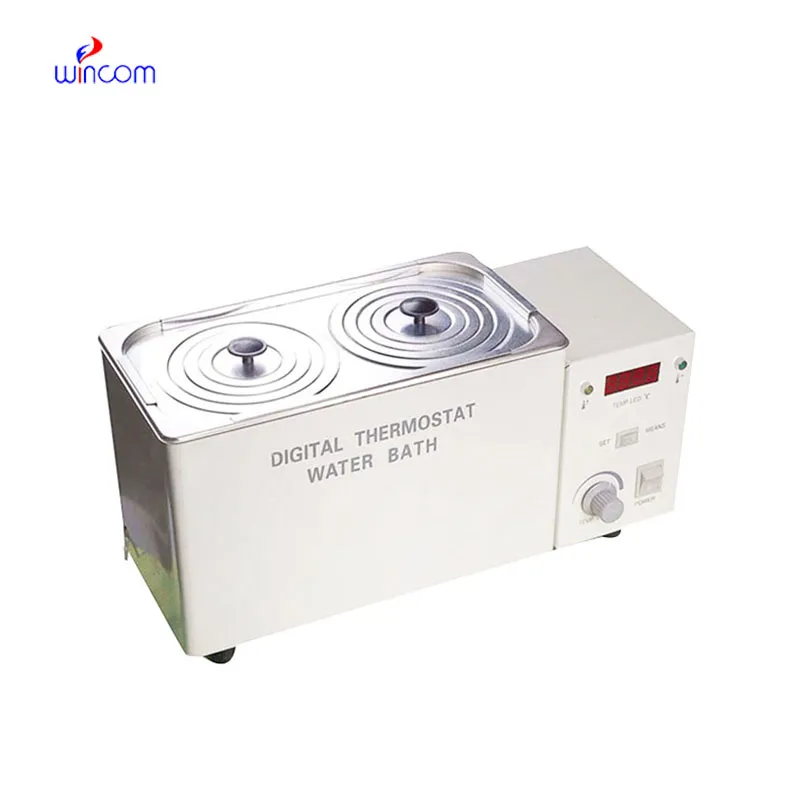
The future for the laboratory boiling water bath is more precision and more automation. Future models will incorporate improved digital control systems through the advancement in sensor technology, providing even more precise temperature performance. The laboratory boiling water bath will be integrated into smart laboratory networks to permit remote monitoring and data logging through cloud-based systems. The laboratory boiling water bath will also include eco-friendly materials and energy-saving heating systems. Though labs themselves are rapidly becoming more advanced, the future generation of the laboratory boiling water bath will emphasize flexibility, end-user safety, and integration transparency with current research pipelines.

Routine maintenance procedures need to be performed by the users to make the laboratory boiling water bath function properly. Clean the tank every week to remove mineral buildup or chemical residue. Scaling and corrosion are prevented through the use of distilled water. Dry parts completely after cleaning before filling up. The heating coil and temperature sensor should be checked for build-up or debris. Electrical components should not be submerged in water when cleaning. Proper routine maintenance makes the laboratory boiling water bath accurate, safe, and efficient to utilize over a long period of time.
A laboratory boiling water bath delivers even heating for laboratory purposes where accuracy is essential. It holds water at fixed temperatures for such procedures as bacterial culture incubation, heating of reagents, and thawing of samples. The internal temperature sensors and thermostat of the **laboratory boiling water bath** facilitate even conditions during use. Its stainless-steel chamber is corrosion-resistant, with security features protecting samples from overheating. The **laboratory boiling water bath** facilitates reliability and consistency that enable precise scientific and experimental methods.
Q: What types of laboratory work benefit from using a water bath? A: Water baths are used in microbiology, chemistry, and biotechnology for incubating samples, warming reagents, and melting substances safely. Q: How can contamination be prevented inside a water bath? A: Cleaning the tank regularly, using distilled water, and covering the bath when not in use can significantly reduce contamination risk. Q: Is it safe to leave a water bath running overnight? A: It is generally safe for models with over-temperature protection, but regular supervision and adherence to manufacturer guidelines are strongly advised. Q: What causes uneven heating in a water bath? A: Uneven heating may result from improper circulation, incorrect water level, or malfunctioning heating elements. Q: Why is it important to monitor the water level in a bath? A: Maintaining an adequate water level prevents damage to heating elements and ensures consistent thermal contact with the samples.
I’ve used several microscopes before, but this one stands out for its sturdy design and smooth magnification control.
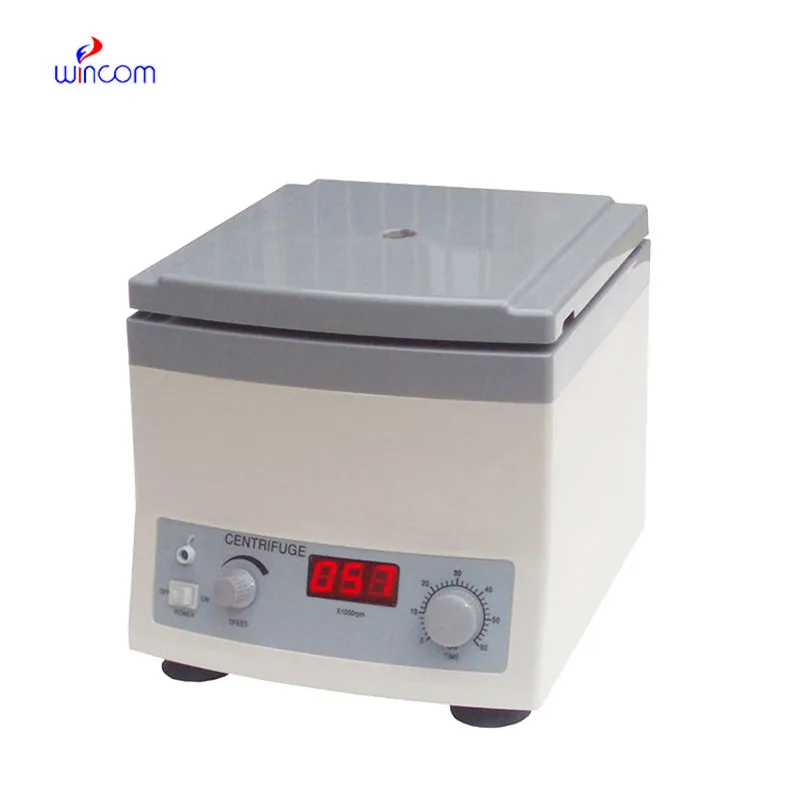
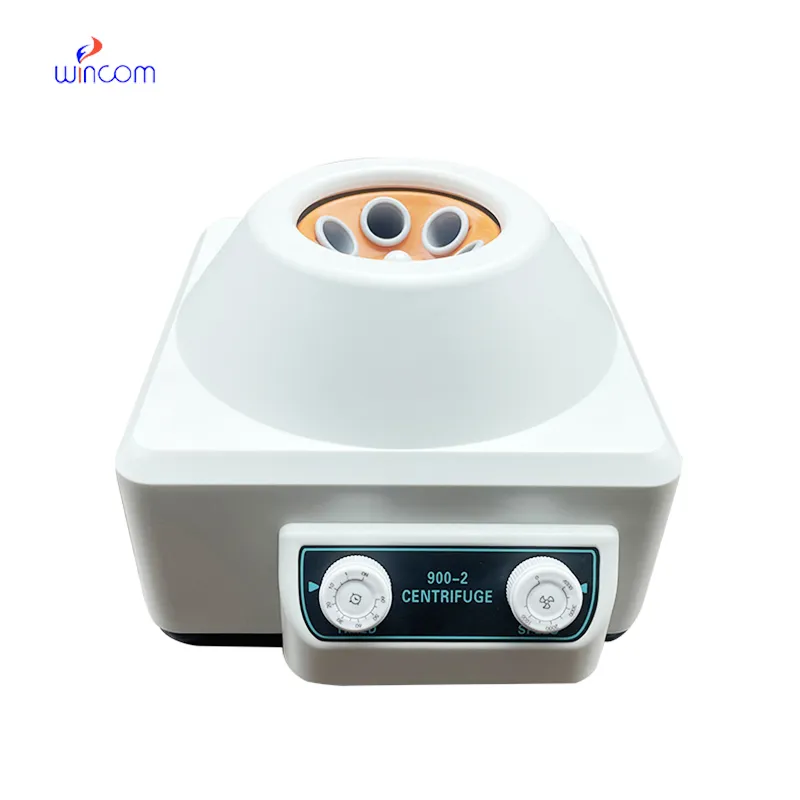
The centrifuge operates quietly and efficiently. It’s compact but surprisingly powerful, making it perfect for daily lab use.
To protect the privacy of our buyers, only public service email domains like Gmail, Yahoo, and MSN will be displayed. Additionally, only a limited portion of the inquiry content will be shown.
Hello, I’m interested in your water bath for laboratory applications. Can you confirm the temperat...
We’re currently sourcing an ultrasound scanner for hospital use. Please send product specification...
E-mail: [email protected]
Tel: +86-731-84176622
+86-731-84136655
Address: Rm.1507,Xinsancheng Plaza. No.58, Renmin Road(E),Changsha,Hunan,China


 EN
 af
 es
 ar
 tr
 sw
 pt
 th
 ur
 bn
 ne
 vi
 km
 lo
 de
 ru
 fi
 nl
 fa
 fr
 ko