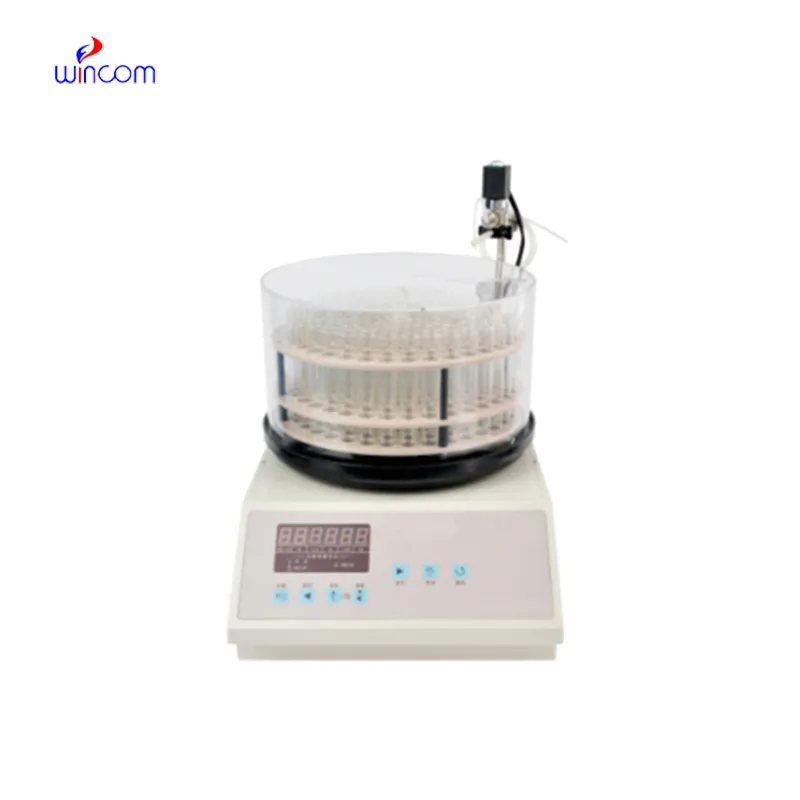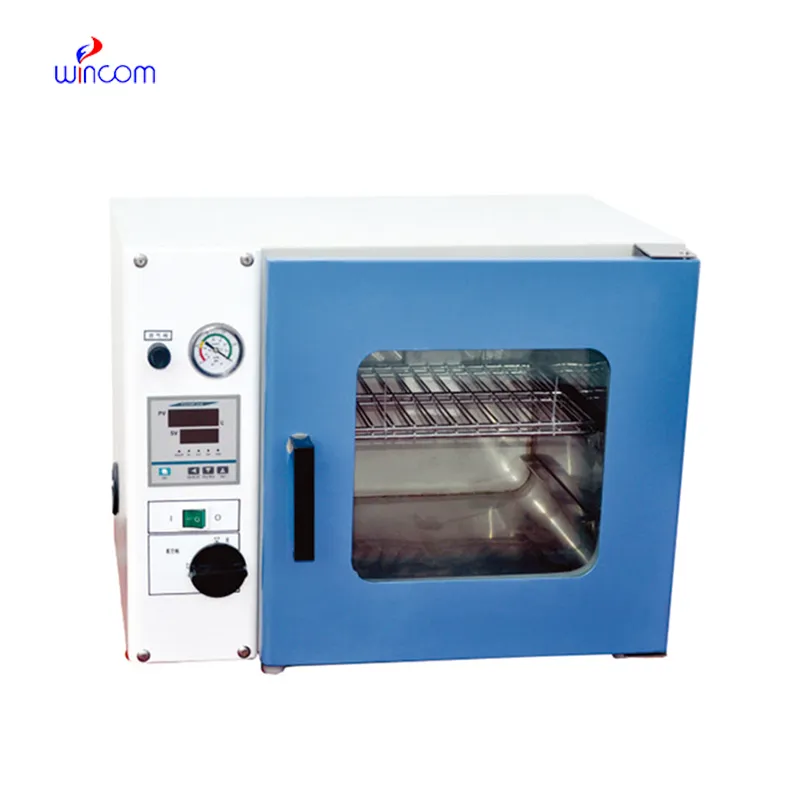
The heated circulating water baths has cutting-edge temperature control and ergonomic design for consistent laboratory performance. It provides uniform heat distribution to prevent overheating or warping of the sample. The stainless-steel chamber of the heated circulating water baths is durable and corrosion resistant. Its digital interface provides precise settings, with inbuilt safety features protecting against hot temperatures. The compact design does not sacrifice capacity. With low maintenance requirements and smooth operation, the heated circulating water baths proves an efficient instrument for scholarly, medical, and research organizations.
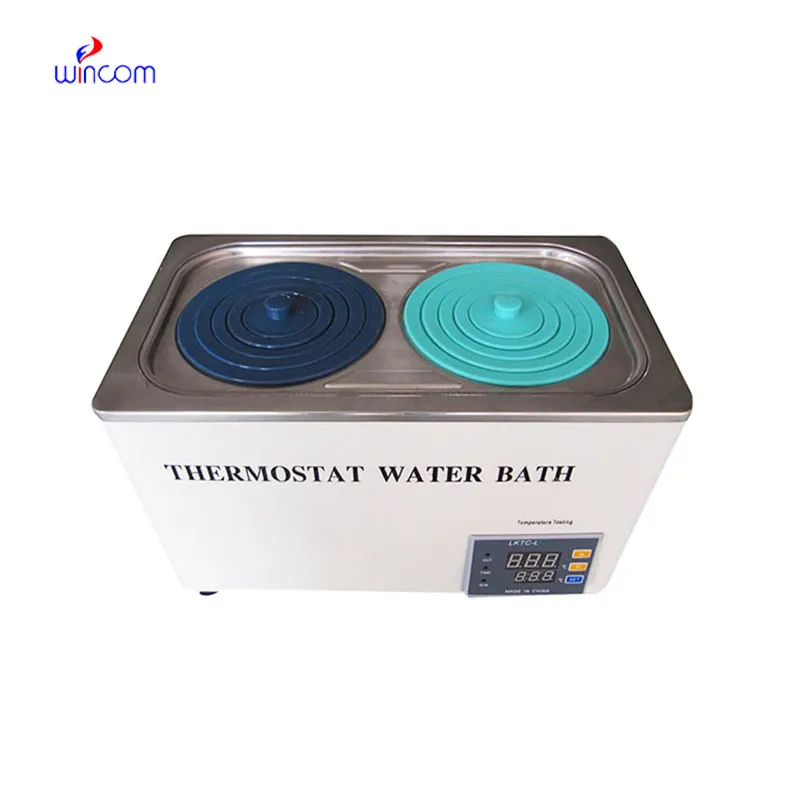
The heated circulating water baths finds application wherever reproducible experimental findings are needed in controlled heating. In life science, it maintains enzymes and samples at specific temperatures during incubation. In small chemical labs, it is utilized to evaporate solvents, crystallize materials, and investigate the rate of reactions. School laboratories also employ the heated circulating water baths in teaching vital laboratory concepts. Its even heat ensures that laboratory specimens are treated uniformly for higher accuracy in data. The heated circulating water baths helps maintain consistency in research, enabling scientists to achieve stable conditions necessary for precise analysis.
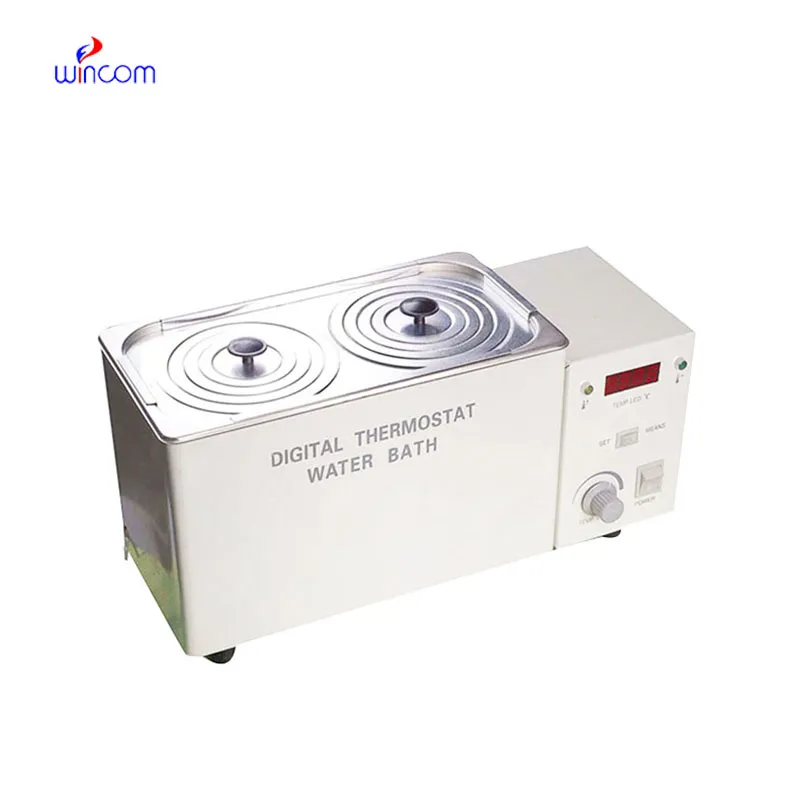
New technologies are shaping the future of the heated circulating water baths, making them faster, smarter, and greener. Advanced temperature mapping will enhance consistency, while AI-powered analytics will maximize performance based on experimental data. Lab management software compatibility will enable remote control and automatic reporting. The heated circulating water baths will also be built to utilize recyclable materials and energy-saving features. All these new features will make it an integral part of laboratories which need precision, efficiency, and reduced environmental impact.
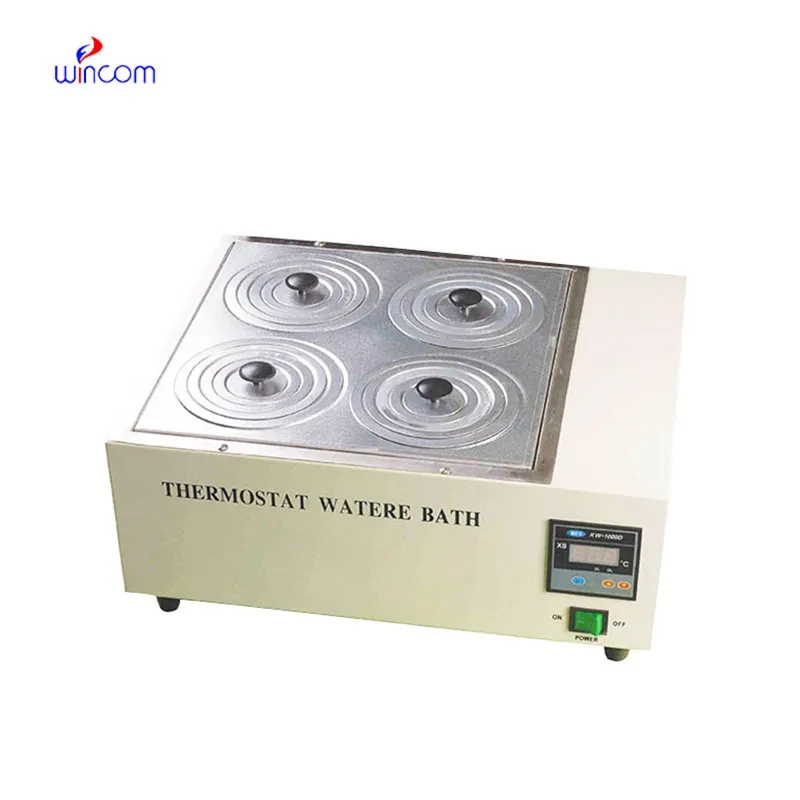
Maintenance of the heated circulating water baths on regular basis is a requirement for good performance in temperature and longevity. Scaling and corrosion in the chamber are avoided by regular cleaning. It's best to replace the water after every other day, especially for continuous use. At the intervals, the heating elements and thermostat should be inspected for breakdown or wear. Use gentle cloths and mild soaps to avoid scratching the surface. In normal servicing, the heated circulating water baths remains functional and continues to meet laboratory standards year by year.
Designed for precise temperature regulation, the heated circulating water baths ensures steady heating during scientific processes. It is largely used in laboratories for incubation of samples, thawing reagents, or heating solutions in precise conditions. The heated circulating water baths features a heavy-duty construction and rust-resistant interiors to ensure durability and sterility. Its digital interface allows users to set and hold precise temperatures with precise accuracy. Quiet operation and uniform temperature stability make the heated circulating water baths a trustable device for repeated laboratory use.
Q: What temperature range can a laboratory water bath typically achieve? A: Most laboratory water baths operate between ambient temperature and approximately 100°C, allowing precise control for a variety of experiments. Q: How does a water bath ensure even heating across samples? A: The circulation of water, either by convection or a built-in stirrer, ensures uniform temperature distribution throughout the chamber. Q: Why should a water bath be calibrated regularly? A: Regular calibration ensures temperature accuracy, preventing errors that could affect the results of sensitive laboratory processes. Q: What materials are commonly used in constructing a water bath? A: High-quality stainless steel is typically used for the inner chamber to resist corrosion and ensure durability under continuous heating. Q: How can overheating be prevented when using a water bath? A: Many modern units feature automatic temperature cutoffs and alarms that activate if the set temperature exceeds safe limits.
I’ve used several microscopes before, but this one stands out for its sturdy design and smooth magnification control.
This x-ray machine is reliable and easy to operate. Our technicians appreciate how quickly it processes scans, saving valuable time during busy patient hours.
To protect the privacy of our buyers, only public service email domains like Gmail, Yahoo, and MSN will be displayed. Additionally, only a limited portion of the inquiry content will be shown.
Could you share the specifications and price for your hospital bed models? We’re looking for adjus...
Could you please provide more information about your microscope range? I’d like to know the magnif...
E-mail: [email protected]
Tel: +86-731-84176622
+86-731-84136655
Address: Rm.1507,Xinsancheng Plaza. No.58, Renmin Road(E),Changsha,Hunan,China


 EN
EN
 af
af
 es
es
 ar
ar
 tr
tr
 sw
sw
 pt
pt
 th
th
 ur
ur
 bn
bn
 ne
ne
 vi
vi
 km
km
 lo
lo
 de
de
 ru
ru
 fi
fi
 nl
nl
 fa
fa
 fr
fr
 ko
ko