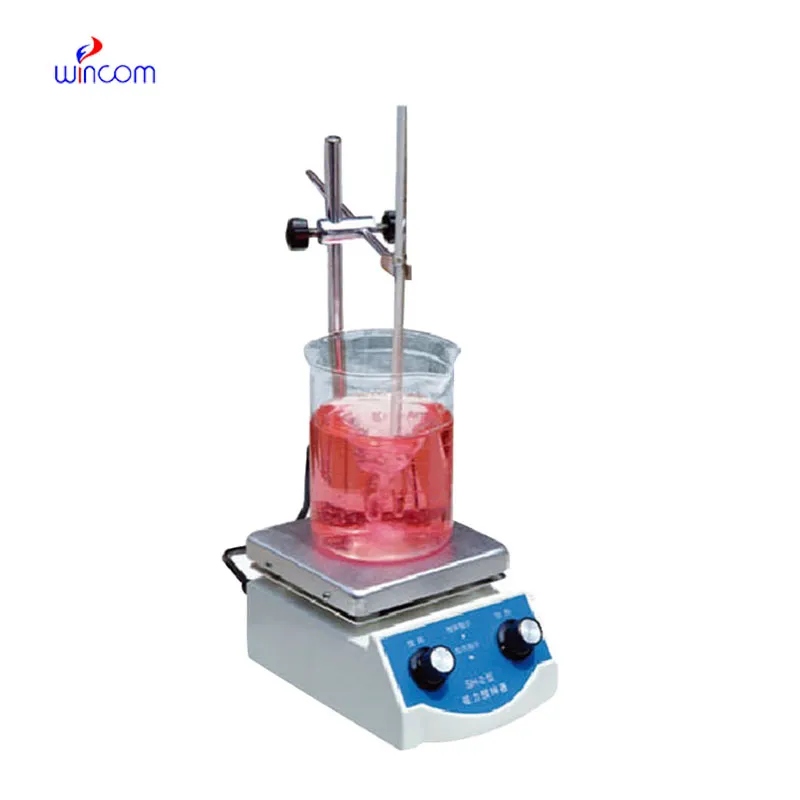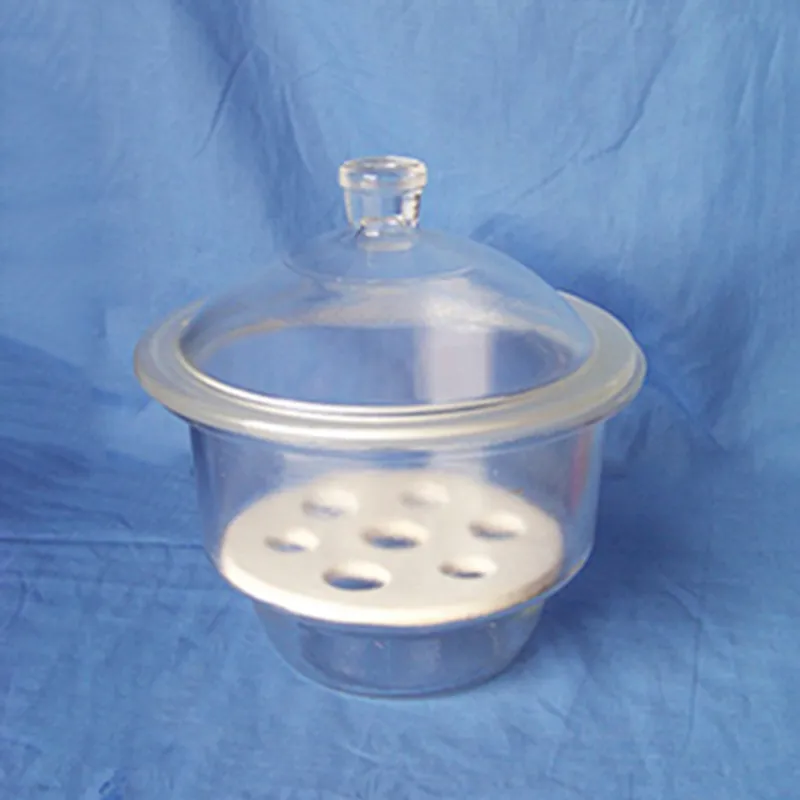
Crafted for performance and dependability, the cooling circulating water bath provides dependable temperature control with an intuitive interface. It has a rugged outer casing and stainless steel inner tank to withstand corrosion and contamination. The cooling circulating water bath offers rapid heat-up and uniform temperatures across the chamber, minimizing the possibility of sample destruction. Its display screens allow for real-time monitoring, facilitating precise adjustment during the experiment. Low noise operation with advanced thermal sensors, the cooling circulating water bath guarantees stability and reliability during prolonged laboratory use.
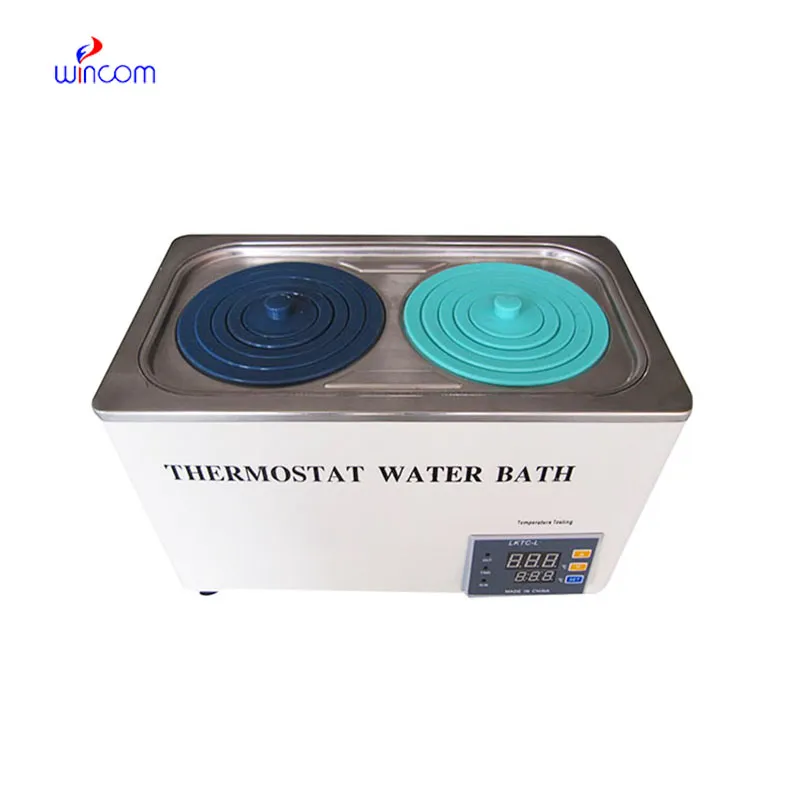
Applied in a wide variety of laboratory and industrial applications, the cooling circulating water bath delivers repeatable heating for experimental and analytical work. It is mostly applied for the maintenance of cell culture media at specific temperatures, pre-warming chemicals before reactions, or the dissolution of solids in solvents. The cooling circulating water bath also supports food analysis, pharmaceutical manufacturing, and environmental research. With precision temperature control, it minimizes heat oscillation that can alter experimental findings. It is this flexibility that makes the cooling circulating water bath an essential instrument in scientific, medical, and industrial research laboratories.
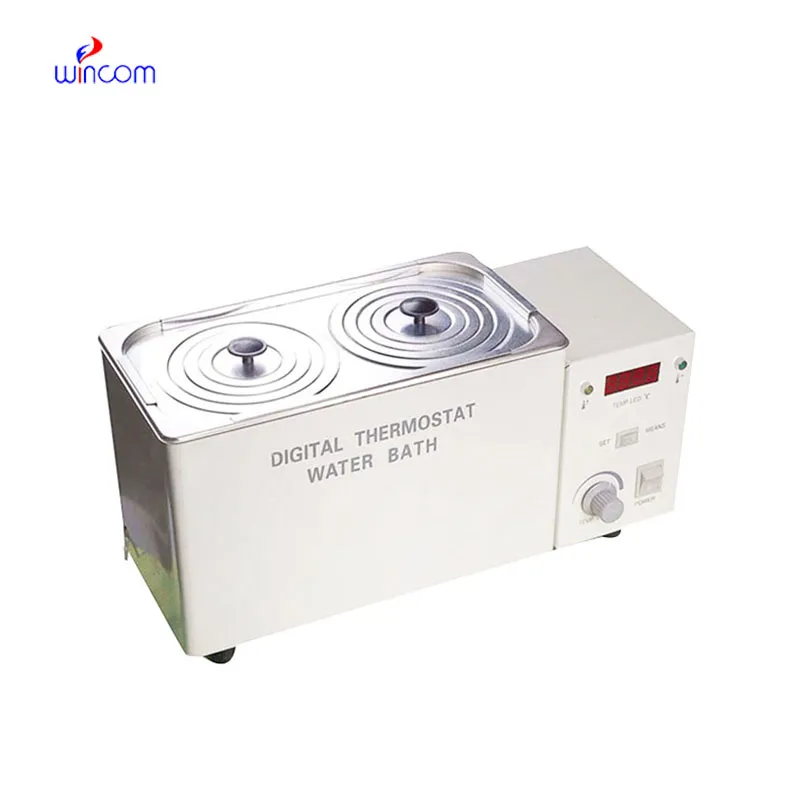
The cooling circulating water bath will undergo dramatic innovation as the labs adopt more intelligent and more environmentally friendly technologies. New designs will have automatic adaptive thermal control that automatically calibrates to maintain accurate temperature specifications. Touch screens and remote access capabilities will enhance monitoring and ease efficiency. The cooling circulating water bath will also aim at energy efficiency with premium insulation and intelligent heating equipment. These functions will render the laboratory instrument more integrated, efficient, and user-friendly.

Routine maintenance procedures need to be performed by the users to make the cooling circulating water bath function properly. Clean the tank every week to remove mineral buildup or chemical residue. Scaling and corrosion are prevented through the use of distilled water. Dry parts completely after cleaning before filling up. The heating coil and temperature sensor should be checked for build-up or debris. Electrical components should not be submerged in water when cleaning. Proper routine maintenance makes the cooling circulating water bath accurate, safe, and efficient to utilize over a long period of time.
Designed for precise temperature regulation, the cooling circulating water bath ensures steady heating during scientific processes. It is largely used in laboratories for incubation of samples, thawing reagents, or heating solutions in precise conditions. The cooling circulating water bath features a heavy-duty construction and rust-resistant interiors to ensure durability and sterility. Its digital interface allows users to set and hold precise temperatures with precise accuracy. Quiet operation and uniform temperature stability make the cooling circulating water bath a trustable device for repeated laboratory use.
Q: What is the primary function of a water bath in the laboratory? A: A water bath is used to maintain samples at a constant temperature for extended periods, providing stable heating conditions for experiments and reactions. Q: Why is distilled water recommended for use in a water bath? A: Distilled water is preferred because it prevents mineral buildup, reduces corrosion, and helps extend the lifespan of the equipment. Q: How often should the water in a water bath be replaced? A:When contamination or visible residue occurs, it should be replaced at least once a week or more frequently to ensure cleanliness and accurate heating performance. Q: What safety measures should be taken when operating a water bath? A: Users should avoid overfilling, keep electrical components dry, and regularly check temperature controls to prevent overheating or short circuits. Q: Can a water bath be used for heating flammable liquids? A: No, flammable liquids should never be heated in a water bath, as vapors can ignite when exposed to heat or electrical sparks.
The centrifuge operates quietly and efficiently. It’s compact but surprisingly powerful, making it perfect for daily lab use.
The microscope delivers incredibly sharp images and precise focusing. It’s perfect for both professional lab work and educational use.
To protect the privacy of our buyers, only public service email domains like Gmail, Yahoo, and MSN will be displayed. Additionally, only a limited portion of the inquiry content will be shown.
Hello, I’m interested in your water bath for laboratory applications. Can you confirm the temperat...
Hello, I’m interested in your centrifuge models for laboratory use. Could you please send me more ...
E-mail: [email protected]
Tel: +86-731-84176622
+86-731-84136655
Address: Rm.1507,Xinsancheng Plaza. No.58, Renmin Road(E),Changsha,Hunan,China


 EN
 af
 es
 ar
 tr
 sw
 pt
 th
 ur
 bn
 ne
 vi
 km
 lo
 de
 ru
 fi
 nl
 fa
 fr
 ko