The color code for blood collection tubes design puts a strong emphasis on safety and efficiency in clinics. The sterile construction combined with the secure sealing helps to minimize contamination risks to both patients and lab staff. The tubes can be used with vacuum-based blood draw systems, centrifuges, and automated analyzers. color code for blood collection tubes are trusted by hospitals to keep sample integrity during the different tests, including serology, molecular diagnostics, and routine blood panels. Their labeling, volume, and additive composition are the same, which makes it easier to process and thus, reduces pre-analytical errors. This combination of features makes color code for blood collection tubes an indispensable part of the current laboratory and hospital workflows that support timely and accurate patient diagnostics.

Blood donation and transfusion units employ color code for blood collection tubes to gather donor samples for carrying out compatibility testing and infectious disease screening. Anticoagulant-containing tubes help keep the cells viable and avoid clotting while the samples are being kept. Laboratory workers need them for secure handling, accurate labeling, and the entire donor process being traceable. The connection of color code for blood collection tubes with automatic analyzers permits quick testing of donor blood, therefore, patient transfusion products in the hospital are safe. Their uniform design makes the process easier, increases the quality of the samples, and decreases the number of mistakes in blood bank and transfusion operations.
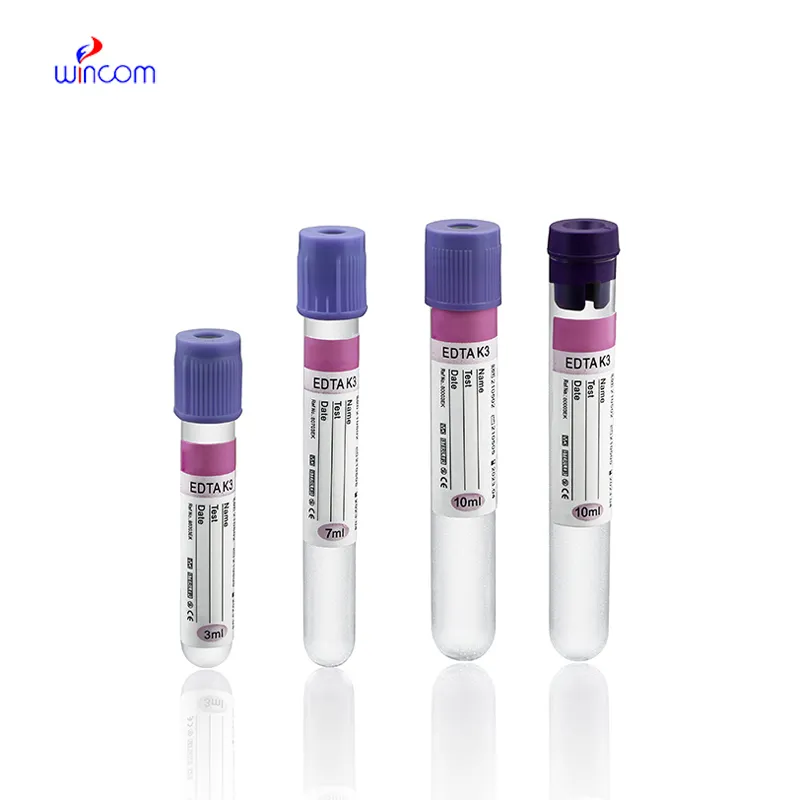
The evolution of color code for blood collection tubes will surely bring small and light designs for field hospitals, mobile clinics, or decentralized laboratory testing. Tubes will likely be improved with better ventilation to withstand harsh temperatures and rough handling during transport, thus providing reliable sample collection even out of the classic hospital settings. These tubes might be given to hospitals for emergency or community testing programs. Advanced pre-measured additives and color-coded identification will preserve accuracy even in non-traditional settings. Future color code for blood collection tubes will feature already mentioned characteristics plus compatibility with automated analysis systems ensuring flexible clinical as well as research workflows.
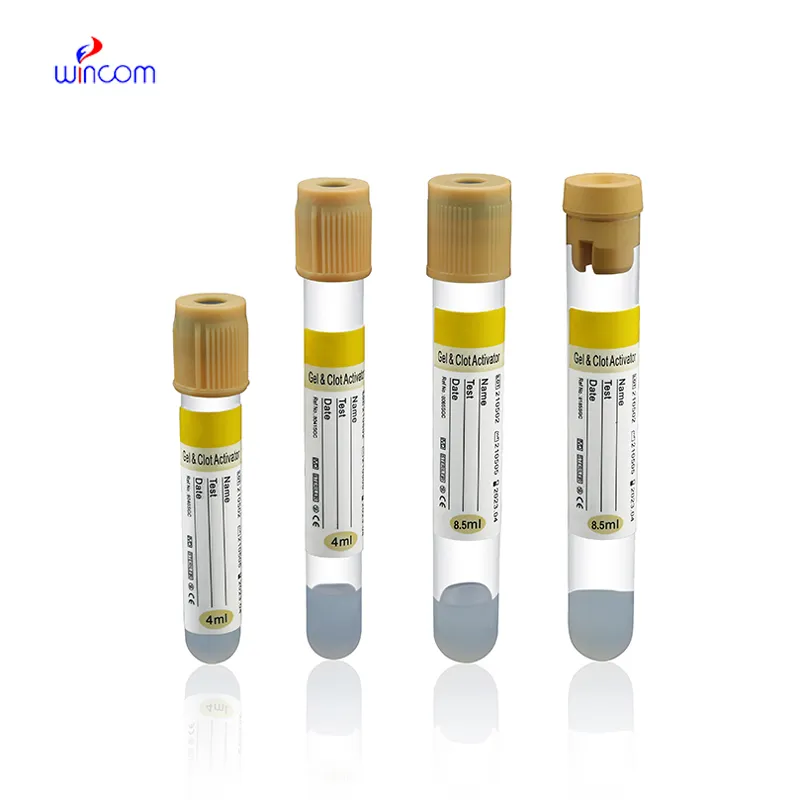
The proper upkeep of color code for blood collection tubes necessitates close supervision of the conditions and practices of storage and using them. Ultraviolet light, which can damage certain additives, must not shine on the tubes. Hospitals in most cases have a practice of doing regular quick eye examinations before the use of tubes to detect any faults. The storage systems must be designed such that they do not put any physical strain on the tubes but at the same time allow easy access. The observance of hygiene rules by the staff also minimizes the contamination risk. All these practices together make color code for blood collection tubes reliable for daily laboratory operations and clinical testing sectors.
Automated laboratory in hospitals heavily depend on color code for blood collection tubes that are suitable for centrifuges, analyzers and barcode scanning systems. The process of automation demands the use of tubes that have uniform volume and stable chemical properties. In hectic clinical labs, these tubes help in processing the samples quickly by cutting down the number of hands that handle the sample and keeping the contamination risks low. Information systems in the laboratory can monitor every color code for blood collection tubes for the patient's name and testing history. The commonality in the use of the tubes enables hospitals to provide high-volume testing with accurate results in hematology, biochemistry and immunology domains that, in turn, facilitates the management of the workflow and the attainment of the reliable diagnostic outcomes.
Q: What is the purpose of Blood Collection Tubes in emergency departments? A: The main function is to facilitate quick and secure blood collection for urgent diagnostic tests. Q: Are Blood Collection Tubes suitable for infants and children? A: Absolutely, there are specialized smaller-volume tubes for both pediatric and neonate applications. Q: What is the procedure when a Blood Collection Tube gets broken? A: The broken tubes cannot be used and should be disposed of per the hospital's rules. Q: Will Blood Collection Tubes leak if there is an accident? A: Leakage during handling and transport is minimized through the secure caps that are designed for these tubes. Q: What methods do hospitals use for tracking Blood Collection Tubes? A: A number of hospitals are using either labeling or barcode systems for sample identification and traceability.
The centrifuge operates quietly and efficiently. It’s compact but surprisingly powerful, making it perfect for daily lab use.
This x-ray machine is reliable and easy to operate. Our technicians appreciate how quickly it processes scans, saving valuable time during busy patient hours.
To protect the privacy of our buyers, only public service email domains like Gmail, Yahoo, and MSN will be displayed. Additionally, only a limited portion of the inquiry content will be shown.
Hello, I’m interested in your centrifuge models for laboratory use. Could you please send me more ...
We are planning to upgrade our imaging department and would like more information on your mri machin...
E-mail: [email protected]
Tel: +86-731-84176622
+86-731-84136655
Address: Rm.1507,Xinsancheng Plaza. No.58, Renmin Road(E),Changsha,Hunan,China


 EN
 af
 es
 ar
 tr
 sw
 pt
 th
 ur
 bn
 ne
 vi
 km
 lo
 de
 ru
 fi
 nl
 fa
 fr
 ko