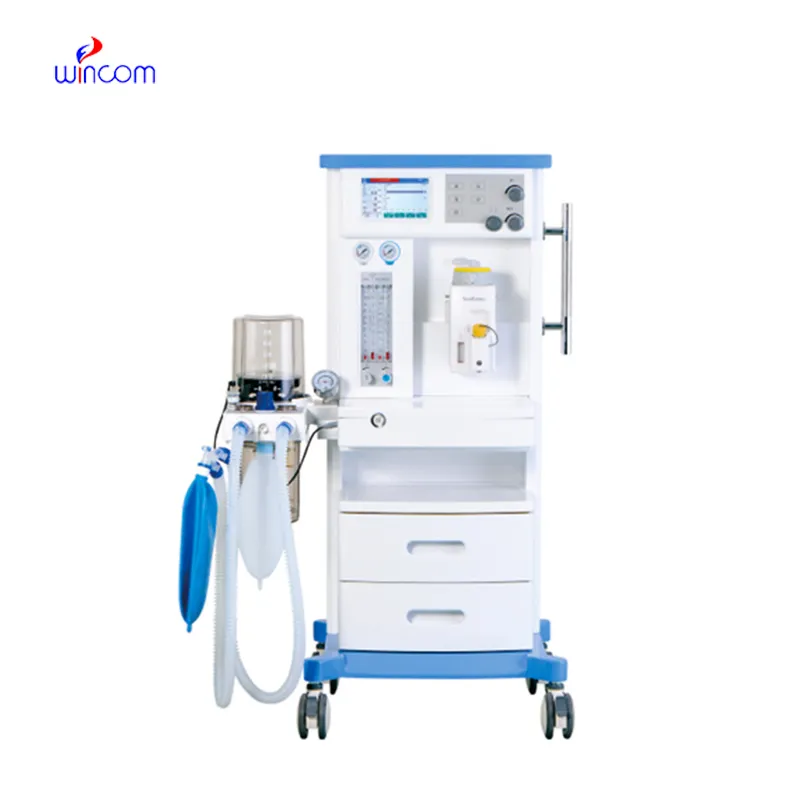
In the operating rooms and laboratory hospitals, anesthesia machine veterinary medicine does an all-in-one job of anesthesia management with the help of gas delivery, ventilation, and monitoring systems. It gives a constant eye on the respiratory function, oxygen levels, and airway pressures. The machine guarantees the patient's sedation stability during difficult operations. With safety alarms, vaporizers, and gas flow controls that can be adjusted, anesthesia machine veterinary medicine lets the anesthesiologists do real-time modifications, thereby assuring accuracy and reliability. Its multifunctionality and exactness offer it to be used for both the daily surgical operations and the labs that needed special conditions for anesthesia to be studied and, thus, controlled.
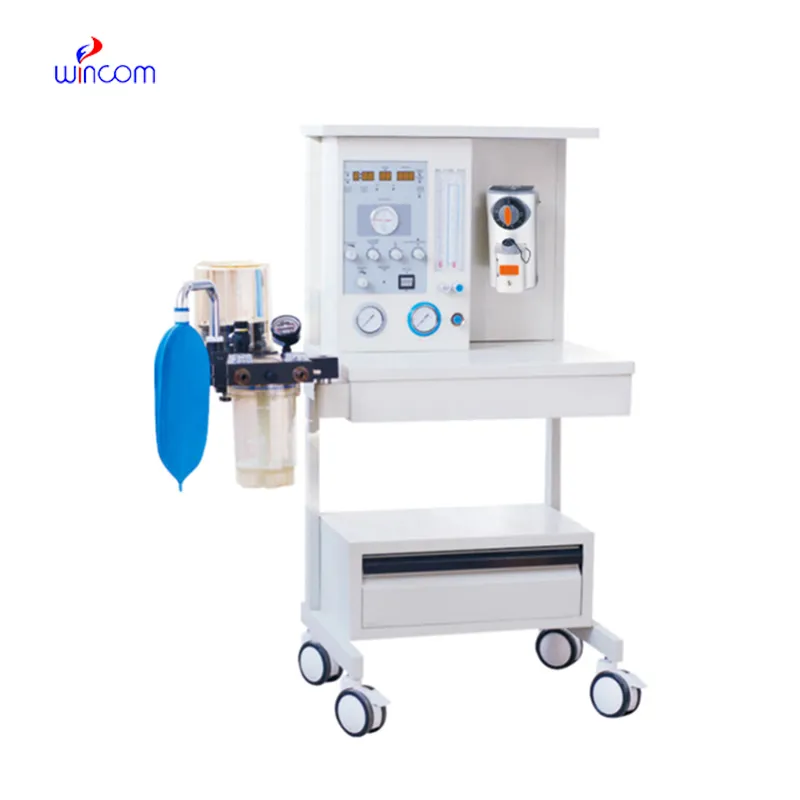
anesthesia machine veterinary medicine is being practiced in emergency departments as a means of fast anesthesia induction during urgent surgical interventions. Trauma cases usually have unstable patients, which makes precise management of ventilation and anesthetic delivery very important. The apparatus gives the medical personnel the opportunity to rapidly adapt gas flow and airway pressure to the patient's reaction. The introduction of the device is facilitating the management of the airway securely during the period of emergency intubation and immediate operative care. By its dependable function in emergencies, anesthesia machine veterinary medicine not only helps but also hospitals to provide anesthesia that is effective during emergencies that are critically timed.
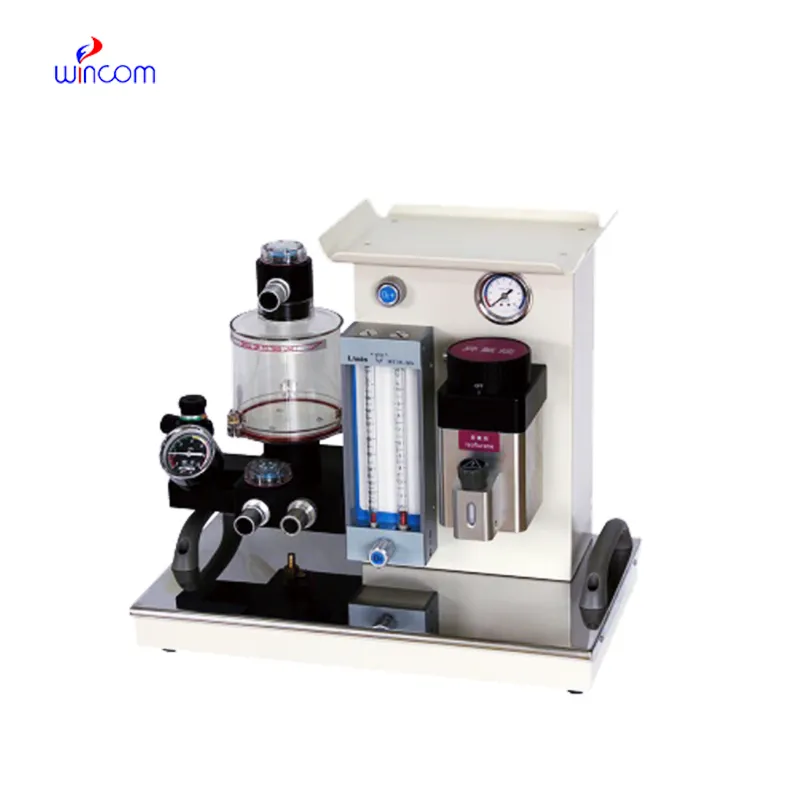
Sustainability is becoming more and more an important factor to be considered in the future of anesthesia machine veterinary medicine. Manufacturers might concentrate on waste gas anesthetics elimination and energy efficiency enhancements. hospitals are getting more and more conscious of environmental effects and operating expenses. Future apparatus may couple state-of-the-art gas recycling systems and low-flow anesthesia capabilities. These alterations could contribute to the responsible resources usage and at the same time, keep up with clinical performance. The progress of anesthesia machine veterinary medicine is expected to be in sync with the larger hospital sustainability projects.
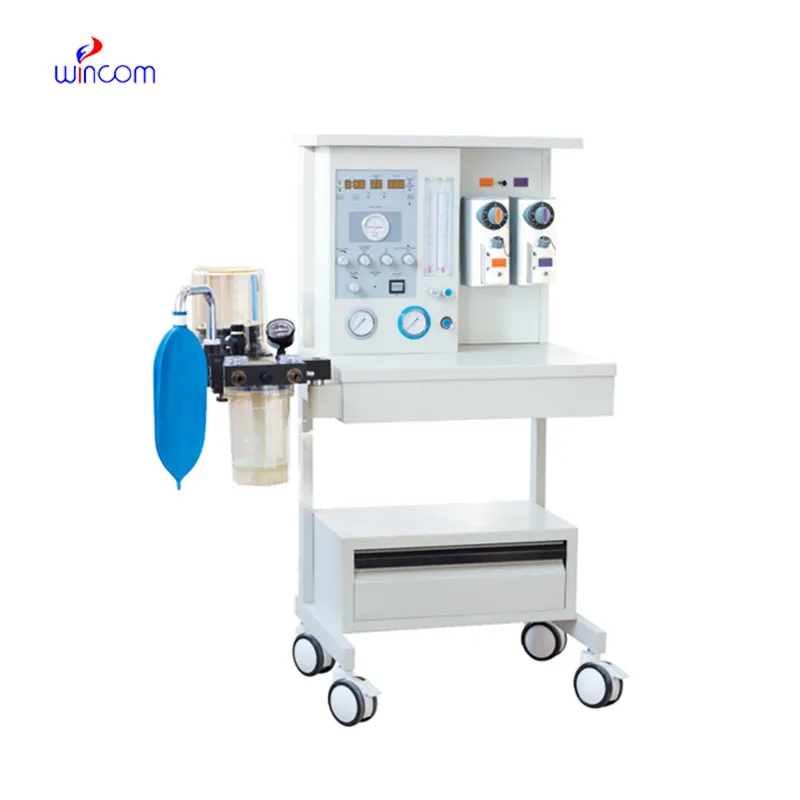
The proper care of anesthesia machine veterinary medicine starts with weekly inspection before and after daily clinical use. The gas pipelines, connectors, and flow meters should be checked by the hospital staff to make sure they are working correctly. Cleaning and replacing of breathing circuits and masks should be done according to infection control protocols. Regular calibration of monitoring components is a way to always have accurate readings. In high-traffic operating rooms, stable maintenance schedules cut down on sudden breaks. Hospitals can prolong the lifespan of anesthesia machine veterinary medicine and keep anesthesia delivery reliable by using inspection schedules that are structured.
anesthesia machine veterinary medicine is a crucial medical device in the operating room that supplies anesthesia controlled for patients during surgical operations. It unites accurate gas flow regulation with patient respiration and monitoring plus oxygen levels. In a hospital setting, this equipment guarantees patient safety while keeping the necessary sedation. By connecting ventilation support, vaporizer controls, and monitoring systems, anesthesia machine veterinary medicine makes it possible for anesthesiologists to practice patient care easily and gives trustworthy performance in all surgical, emergency, and laboratory environments where precision in anesthesia delivery is of utmost importance.
Q: What is the main function of an anesthesia machine? A: Controlled anesthetic gases are delivered and the patient is ventilated during medical procedures. Q: Where is the anesthesia machine frequently used? A: Hospitals mainly use it in their operating rooms, emergency units, and intensive care departments. Q: Who operates the anesthesia machine during surgery? A: Trained anesthesiologists or anesthesia technicians are responsible for operating the device. Q: Can the anesthesia machine assist the breathing of a patient? A: Yes, by providing mechanical ventilation support when spontaneous breathing is insufficient. Q: Does the device monitor respiratory parameters? A: It monitors airflow, pressure and oxygen concentration all through the delivery.
This x-ray machine is reliable and easy to operate. Our technicians appreciate how quickly it processes scans, saving valuable time during busy patient hours.
The delivery bed is well-designed and reliable. Our staff finds it simple to operate, and patients feel comfortable using it.
To protect the privacy of our buyers, only public service email domains like Gmail, Yahoo, and MSN will be displayed. Additionally, only a limited portion of the inquiry content will be shown.
Hello, I’m interested in your centrifuge models for laboratory use. Could you please send me more ...
We’re currently sourcing an ultrasound scanner for hospital use. Please send product specification...
E-mail: [email protected]
Tel: +86-731-84176622
+86-731-84136655
Address: Rm.1507,Xinsancheng Plaza. No.58, Renmin Road(E),Changsha,Hunan,China


 EN
 af
 es
 ar
 tr
 sw
 pt
 th
 ur
 bn
 ne
 vi
 km
 lo
 de
 ru
 fi
 nl
 fa
 fr
 ko